A Slow Travel Guide to Bulgarian Village Life
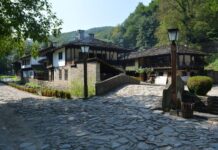
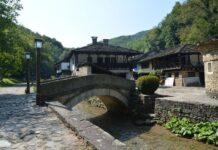
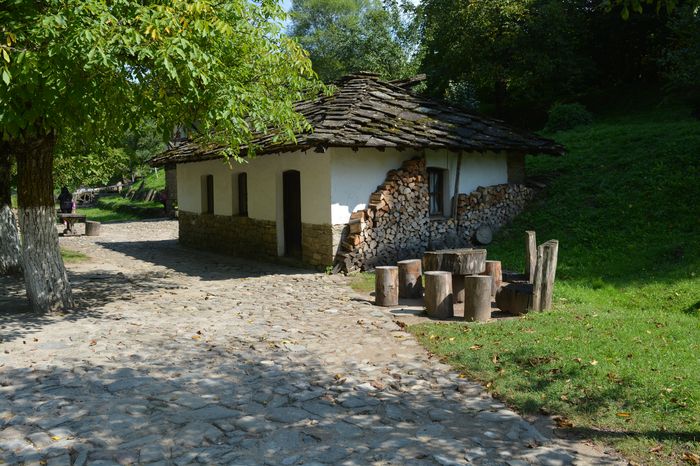
Bulgarian village life is easiest to understand through ordinary moments rather than a checklist of landmarks. A morning greeting, a meal made from seasonal ingredients, or the sound of a workshop can reveal how a place keeps its character. Slow travel gives these scenes room to unfold. It also asks visitors to remember that a village is first a home for the people who live there.
Watch the day begin
Start the morning without rushing to a viewpoint. Notice when the street becomes active, where neighbors stop to talk, and what shops open first. If you are invited into a craft space or family-run café, let the host set the pace. Ask before taking photos of people or private courtyards. A small courtesy can make a visit feel like an exchange rather than an inspection.
For a broader outline, see A Slow Travel Guide to Bulgarian Village Life. Use it as an invitation to leave time between activities. Rather than driving through several settlements in one day, choose one base and explore its surroundings gradually.
Let food tell a local story
Meals offer a way to learn about seasons and regional habits. Instead of searching for one dish that represents the whole country, ask what is being prepared locally and how people usually share it. Notice the ingredients, the table setting, and the stories that accompany a recipe. If a meal is served at a family guesthouse, thank the host and ask about the dish with genuine interest.
Keep part of the day unplanned. A walk to a small market, a quiet rest after lunch, or a second cup of coffee can create space for an unexpected conversation. Slow travel is not about doing less for its own sake; it is about noticing more in the time you have.
A village stay can also include a few hours in Sofia. The city’s central streets bring together different religious and architectural histories. If you want a guided introduction to one landmark, Sightseeing Sofia can add an urban chapter centered on Banya Bashi Mosque. Treat the visit as its own experience, distinct from the slower rhythm of the countryside.
Find the craft behind the object
Weaving, pottery, woodcarving, and embroidery appear in Bulgaria’s traditional arts, with forms and patterns that vary across places and makers. A workshop visit can offer a closer look at tools and technique. Ask whether a demonstration is available and whether buying directly from the craftsperson is possible. A handmade object has more meaning when you know who made it and how the skill is practiced.
If you are choosing between village stays and a city base, use Contact Us to ask about the kind of pace and setting you want. Describe your interests and travel dates, and allow room for local opening schedules or seasonal changes.
Some travelers extend the journey to Istanbul. An Ensar Tour Guide can provide a separate city-focused perspective there. Let each destination keep its own voice rather than trying to make village life, Sofia, and Istanbul feel like the same place.
The best memory may be small: a greeting at a gate, the sound of a loom, or a meal that lasted longer than expected. Leave enough room for those ordinary scenes, and a slow journey through Bulgarian village life becomes less about collecting stops and more about understanding how a place feels.